Introduction
Australia is home to some of the globe's most venomous serpents, making it a hotspot for both serpent lovers and those that are cautious regarding venturing into the wild. Among these, the King Brown Snake and the Tiger Snake stand apart not only for their toxicity yet also for their unique appearances and habitats. In this comprehensive overview, we delve deep right into the attributes, habits, and first aid procedures related to these two dangerous reptiles. Whether you're a regional or a tourist exploring Australia's wilderness, understanding these serpents can be vital for your safety.
King Brown Serpents vs. Tiger Snakes: Identifying Australia's The majority of Hazardous Snakes
When it involves determining Australia's the majority of dangerous snakes, it's vital to separate between the King Brown Snake (Pseudechis australis) and the Tiger Snake (Notechis scutatus). Both types show special characteristics that can assist in identification and comprehending their behavior.
Overview of Australian Snakes
The Variety of Australian Snakes
Australia flaunts over 170 types of land serpents, with a lot more located in marine settings. While only a handful are venomous, understanding of their attributes is important for any individual hanging out outdoors.
Common Poisonous Serpent Variety in Australia
- Eastern Brown Snake Tiger Snake King Brownish Snake Taipan Death Adder
Physical Qualities of King Brown Snakes
Appearance and Size
The King Brown Snake is renowned for its impressive dimension, usually reaching lengths up to 3 meters (10 feet). Its coloration ranges from golden brownish to dark chocolate shades, which allows it to blend seamlessly into its environment.
Behavioral Traits
These serpents are known for their aggressive nature when threatened. They often tend to be much more energetic during warmer months and can frequently be seen indulging in the sun.
Physical Characteristics of Tiger Snakes
Distinctive Markings
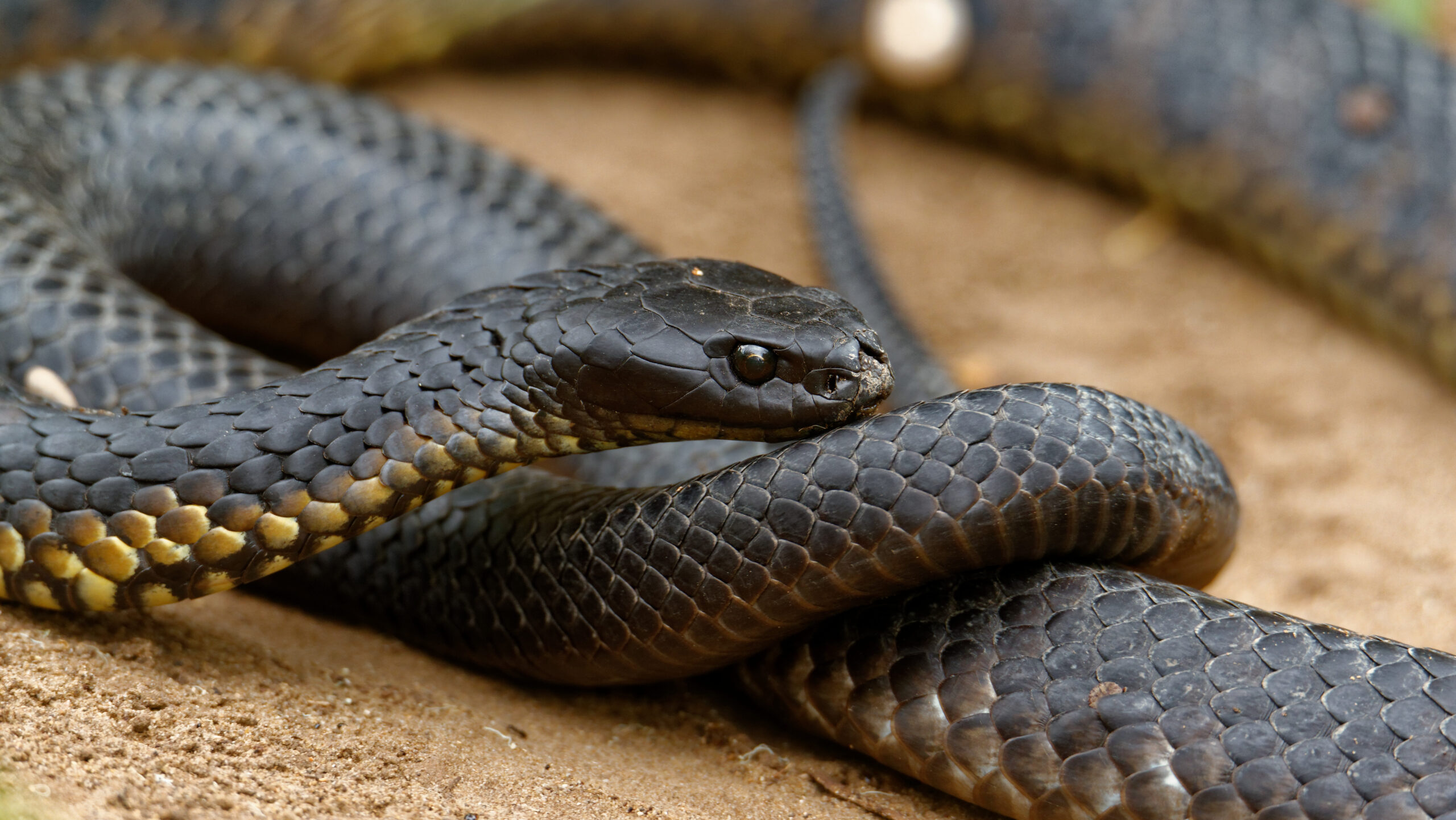
The Tiger Serpent gets its name from the tiger-like red stripes that embellish its body. Varying from yellowish-brown to dark olive or black, these stripes can differ considerably among individuals.
Size Variation
Typically smaller than King Browns, Tiger Snakes grow up to 1.5 meters (5 feet) long however can still position significant hazards due to their powerful venom.
Geographical Distribution: Where Are They Found?
King Brown Snake Habitat
Primarily found throughout northern and eastern Australia, King Browns populate a selection of atmospheres ranging from forests to city areas where they seek shelter under debris or rocks.
Tiger Serpent Habitat
Tiger Serpents prefer seaside regions and wetlands; they are often discovered near estuaries, swamps, and even grassy areas beside water bodies.
Are Tiger Snakes Venomous? Recognizing Their Toxicity
Yes! The Tiger Snake is highly poisonous. Its bite can result in extreme signs such as paralysis or even fatality if left unattended. The strength of its poison makes it among Australia's most dangerous snakes.
Are King Brown Snakes Poisonous? An Assessment of Their Venom
The King Brown Snake's venom includes neurotoxins that influence the nerves, leading to potentially fatal outcomes if clinical intervention is not sought immediately.
Identifying These Unsafe Serpents: Trick Differences
Coloration Patterns
- King Brown: Solid colors with variations. Tiger Snake: Unique candy striped patterns looking like a tiger's fur.
Size Comparison
- King Brown: Longer; can reach up to 3 meters. Tiger Snake: Usually shorter; max length around 1.5 meters.
Behavior: Just how Do They React When Threatened?
Both serpents exhibit protective behaviors; nevertheless:
- The King Brown often tends to strike even more aggressively. The Tiger Snake may retreat however will safeguard itself if cornered.
Habitat Preferences: Exploring Their Settings Further
Understanding where these snakes flourish aids in staying clear of experiences:

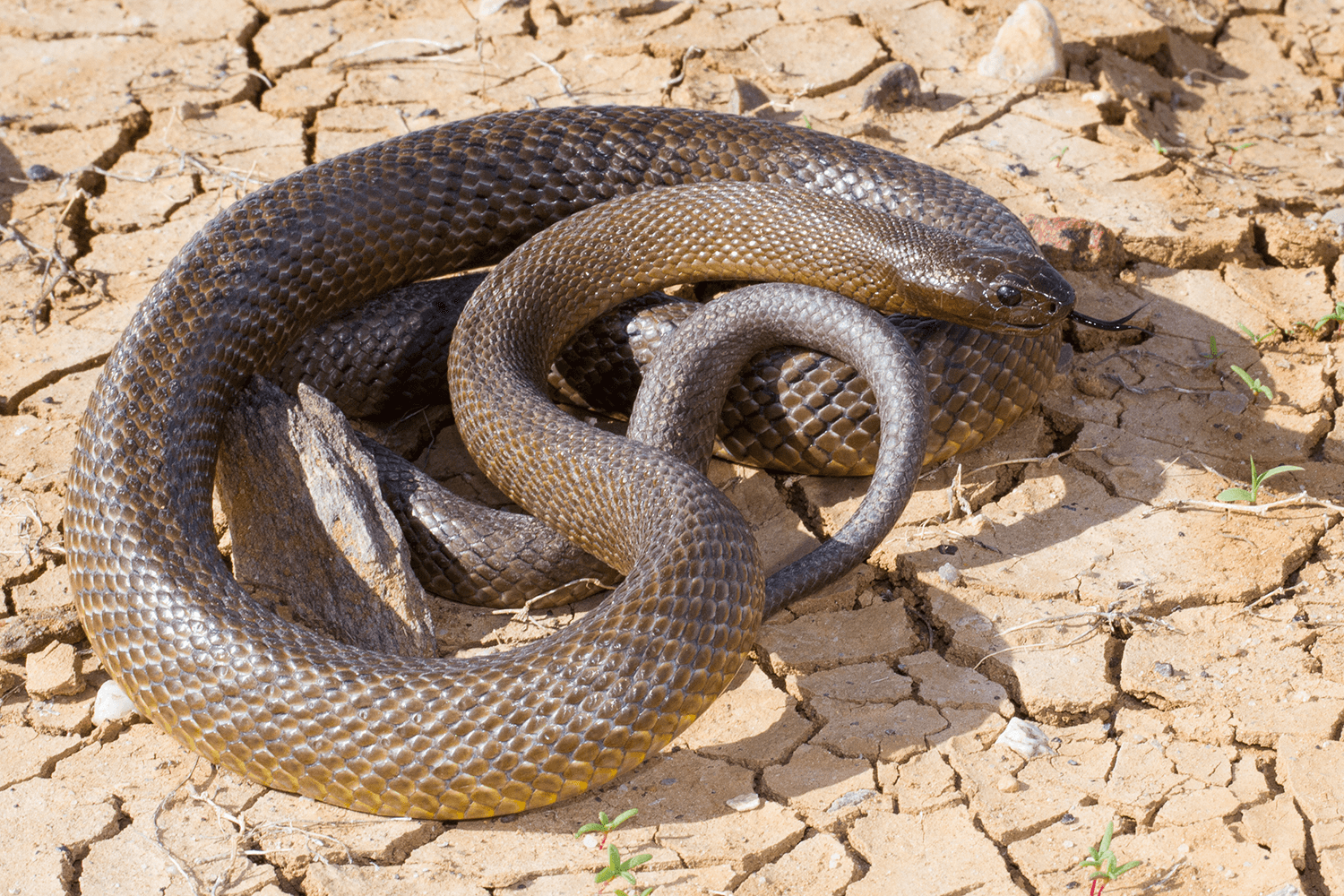
- King Browns support drier regions with adequate cover. Tiger Snakes thrive near water resources where food is plentiful.
First Aid for a Serpent Bite: What You Need To Know?
In situation of a snake bite, punctual activity is essential:
Remain as tranquil as possible. Immobilize the influenced limb. Seek medical focus immediately. Avoid utilizing ice or reducing the wound.First Aid Packages for Snake Bites
Creating a well-stocked first aid package might conserve lives:
- Elastic bandages Pain relief medicine Antiseptic wipes Emergency contact information
What to Do If Attacked by a King Brown or Tiger Snake?
If bitten by either snake:
Call emergency solutions immediately. Keep the sufferer tranquility; movement raises venom spread. Apply pressure plasters above the bite website without cutting off circulation. Do NOT effort suctioning out poison or using ice packs.Common Mistaken beliefs Regarding Australian Snakes
Misunderstandings abound pertaining to these animals:
- Many think all serpents are hostile; nonetheless, many like flight over fight.
FAQs Concerning King Browns and Tiger Snakes
1. What Must I Do If I See a King Brown or Tiger Snake?
Remain still; enable it space to move away https://anotepad.com/notes/q2q358if before meticulously leaving the area yourself.
2. How Can I Recognize A Child Tiger Snake?
Baby tiger serpents generally exhibit similar stripes as grownups but are significantly smaller-- typically around 30 centimeters (12 inches) long at birth.
3. What Are Common Signs After A Bite?
Symptoms might consist of swelling at the bite site, queasiness, trouble breathing, confusion, or loss of awareness-- look for instant clinical aid if experienced.
4. Is There Antivenom Available For These Bites?
Yes! Antivenoms exist for both King Brownes and Tiger Snakes-- timely medical therapy raises survival first aid for snake bite rates dramatically.
5. Exactly How Can I Avoid Experiences With These Snakes?
Avoid high turf when treking and always use boots while in snake-prone areas-- remain alert!
6. Are There Any Type Of Certain Emergency Treatment Procedures For Each And Every Type?
While basic emergency treatment applies extensively across both types of bites-- particular indicators may differ based upon each snake's one-of-a-kind poison structure so always err on side caution!
Conclusion
Understanding just how to identify and react appropriately when encountering Australia's the majority of hazardous serpents like the King Brown and Tiger Snakes could imply life or fatality in important scenarios. Awareness paired with suitable emergency treatment understanding develops a vital part Australian snake distribution of appreciating Australia's diverse all-natural landscape securely. Always bear in mind that regard towards wildlife adds considerably towards preservation efforts while guaranteeing our security stays paramount too!